For travellers
A night in Japan, under someone's roof.
Homes, minshuku and small inns, each with a host. Choose the house, and let the house show you the place.


Scenes from Izu, Hakone and Fuji. Photos: Minpaku X
What is a minpaku?
- 民泊minpakunoun
- A stay in someone's home, opened to travellers.
- 民宿minshukunoun
- The family-run inn of Japan's fishing, farming and mountain villages.
Both put you inside Japanese life, not beside it.
The whole story →Not a better hotel. A different night.
For centuries, travellers in Japan have slept under someone's roof. A minpaku keeps that night going: a person, a real house, a neighbourhood, a season.
A noren at the door · Illustration A person, not a front desk.
Someone who knows where to eat tonight.
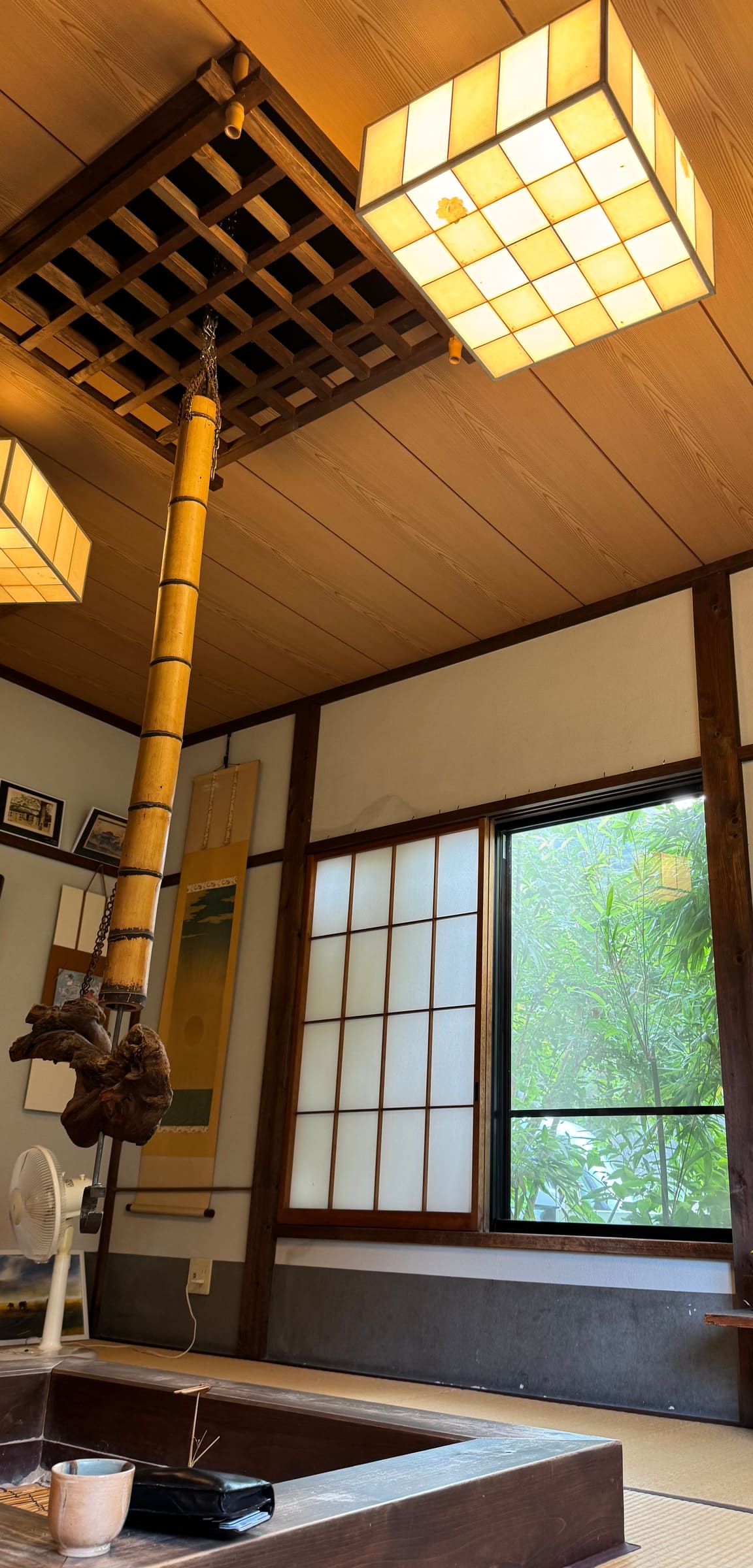
An old farmhouse hearth A house, not a room number.
A kitchen, a tatami room, a tree in the garden.
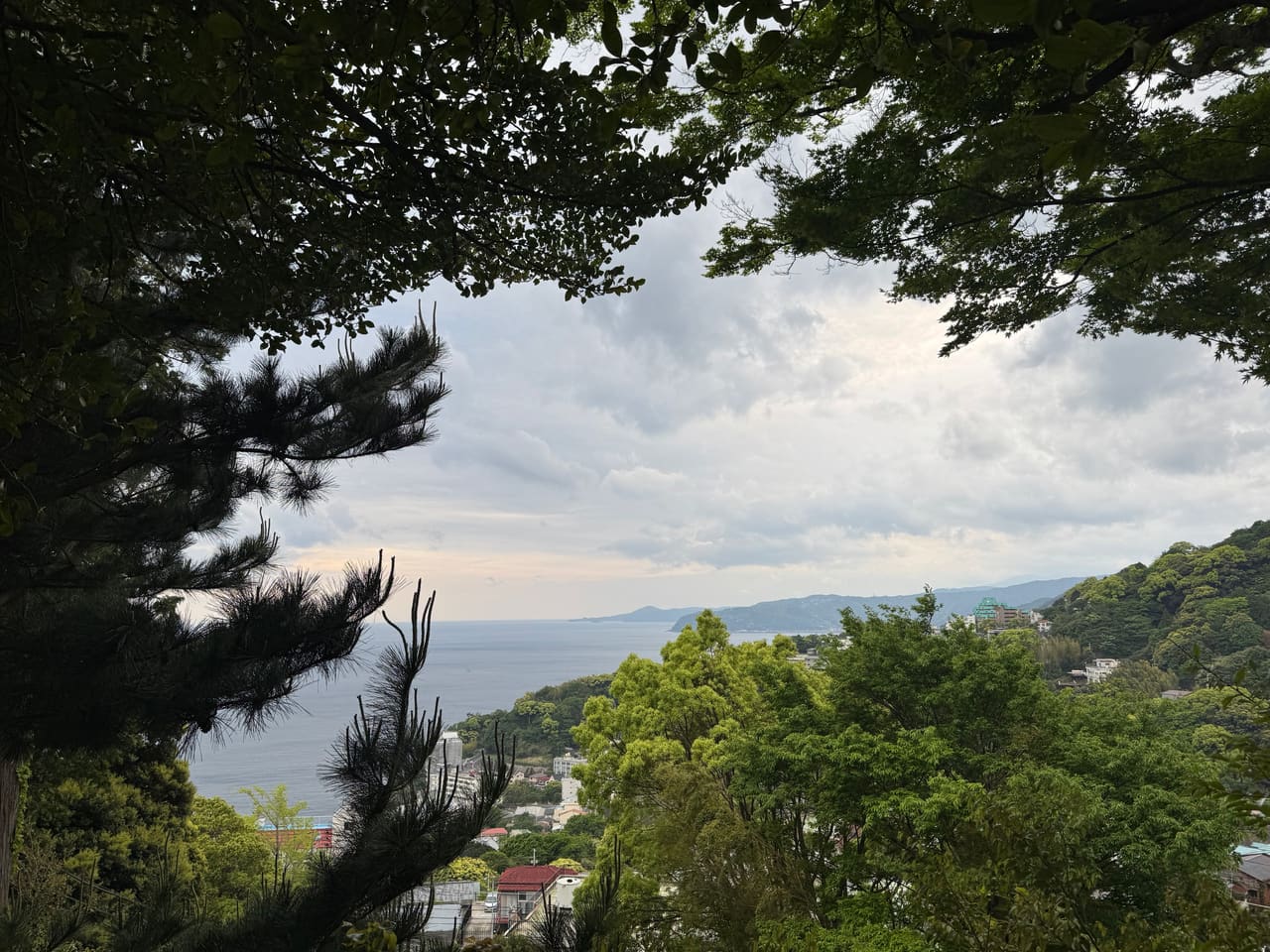
The bay from Izusan, Atami A neighbourhood, not a lobby.
Your morning walk is someone's way to work.
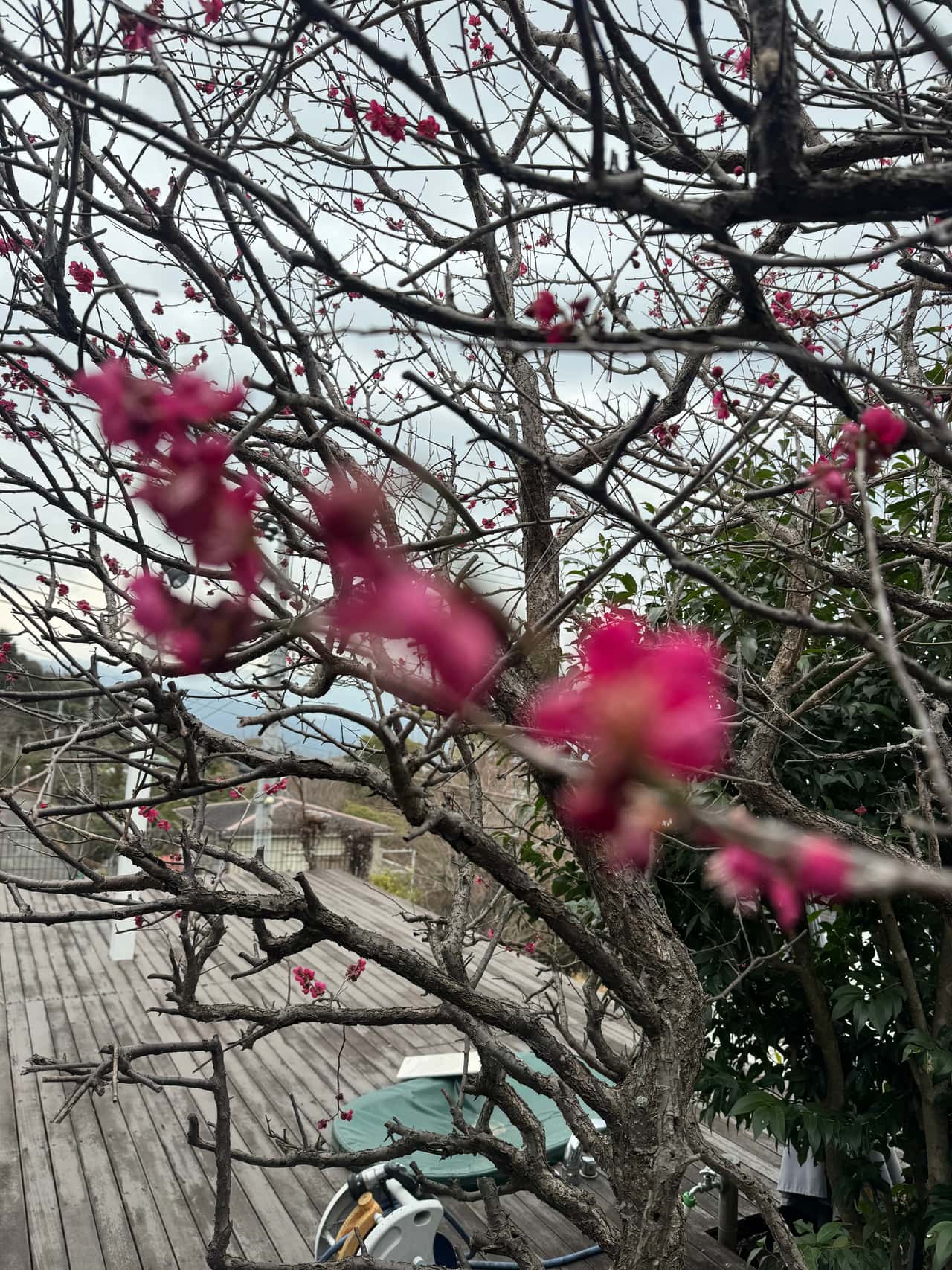
Plum over the deck in February · Atami Umihoshi A season, as the house knows it.
Plum in February, rice in September, snow on the eaves.
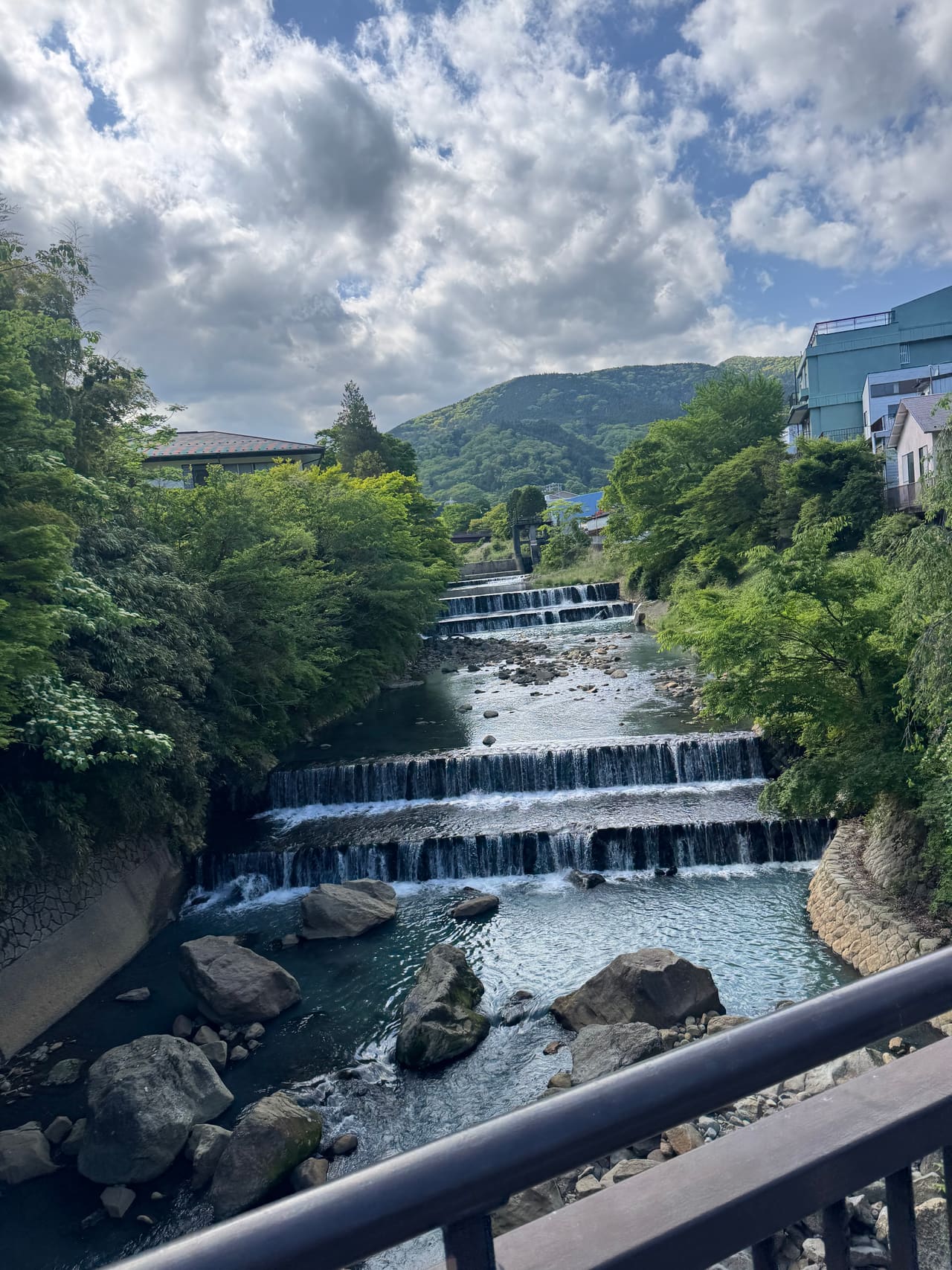
A river in Hakone Time to stay longer.
A whole house is made for two nights, not one.


A short history of staying in someone's house
- 1601The Tōkaidō's post towns begin.
- 1804Good inns hang one sign at the door.
- 1937Mountain guides in Hakuba open their homes to climbers.
- 202643,037 homes across Japan are registered to host.
Seven kinds of house
Choose by the kind of house, and the place follows.
- Sea housesWake to the sound of the sea, from fishing towns to quiet coves.Joining soon →
- Mountain housesCool air, ridges, and quiet at night.2 見本 →
- Island housesA boat ride from everything. Islands keep their own time.joining →
- TownhousesNarrow fronts, deep rooms, a small garden at the back.1 見本 →
- Old farmhousesThick beams, a hearth, fields outside.1 見本 →
- MinshukuFamily-run inns of the coast and the snow country, where travellers have been welcomed for years.1 見本 →
- Small innsA few rooms, and a keeper who knows each one.1 見本 →
Where the houses are
We start where we can visit every house ourselves, and widen the map one region at a time.
Izu and Atami
openSea houses on the Izu coast, within reach of Tokyo by shinkansen.
Sado
joiningAn island in the Sea of Japan, by ferry or jetfoil from Niigata.
Hakone
見本 · SAMPLEMountain valleys, rivers and inns.
Kyoto
見本 · SAMPLETownhouses on narrow streets.
Hakuba
見本 · SAMPLEThe mountain village where the minshuku began.
Ōita
見本 · SAMPLEOld farmhouses among the fields of Kyushu.
Minpaku Pass
Every house has its seal.
Stay, take the house's seal, and go on to the next. Your Minpaku Pass keeps them, and changes colour as you travel.
Chosen one by one
- We've seen every house, in person or on video.
- Each is registered with its town or prefecture; the number is in its facts.
- The price you see is the whole price.
- Reviews come only from people who stayed.
How booking works
- Every house books the same way, on Minpaku X.
- Your stay is with the house; Minpaku X handles the booking and payment.
- Your seal arrives the morning after you check out.